


Apparently career storytelling is “new.” Sure. And I guess coffee was invented last week, too.
The truth is, storytelling has always been the backbone of a strong career narrative — especially in effective resume writing and LinkedIn profiles. People just finally stopped pretending a list of bullet points was enough. I’ve been using this approach for years, not because it was trendy, but because it’s the only thing that consistently helps people explain who they are, what they do, and why they’re worth hiring.
I write 200–300 resumes and LinkedIn profiles every year, and not one of them has ever come from a five-minute questionnaire or a plug-and-play template. My intake interviews run 60–120 minutes because real stories take time — time to dig, time to clarify, time to connect the dots people don’t even realize are connected. You can’t rush that. You can’t automate it. And you definitely can’t fake it with a clever headline and a handful of ATS keywords (learn more about how ATS and AI hiring tools work).
Why Career Storytelling Works (and Why It’s More Credible Than Generic Resume Content)
Career storytelling works because it does what generic, keyword-stuffed resumes can’t: it makes a person believable. Anyone can say they’re “results-driven” or “a strategic leader.” Those phrases are so overused that they’ve lost all meaning, and hiring managers know it.
But when you anchor a claim in a real story — with context, decisions, and measurable outcomes — it becomes credible. It becomes human. And guess what? Hiring managers trust it (here are real resume examples that worked).
Take the project manager who swore she had “nothing special” to offer. On paper, her resume looked like every other PM. But once we talked, I learned she’d taken over a failing project, rebuilt trust with a team that had basically given up, and delivered the whole thing three weeks early. That story, *not buzzwords*, is what got her four interviews in two weeks after months of silence.
Or the career changer who thought his background was “too random.” It wasn’t random at all. He’d been improving customer experience across retail, hospitality, and SaaS. Once we framed it as a consistent theme instead of a zigzag, he stopped looking scattered and started looking strategic. His resume finally made sense. He landed a role with a 20% salary increase because the narrative clicked.
Or the executive who kept brushing off her accomplishments as “just part of the job.” Except “part of the job” didn’t explain how she took a department with 40% turnover and turned it into one of the company’s most stable teams. That’s not a task. That’s transformation. And transformation is what employers pay for.
These stories work because they’re specific, grounded, and impossible to fake. They give hiring managers something to remember and something to trust.
The Three Elements Every Strong Career Story (and Resume Accomplishment Bullets) Need
A strong career story has three parts: the crisis, the action, and the outcome. This structure gives employers the context they need to understand your value, and it keeps your resume and LinkedIn profile aligned with what the job description actually prioritizes. When you use this framework, your background stops looking generic and starts looking relevant.
1 – The first element is the crisis. This is the situation you walked into. Most people avoid talking about this because they think it reflects poorly on them, but it actually shows why they were needed. A project that was weeks behind, a customer satisfaction score that had tanked, or a team with high turnover, these details give your accomplishments scale. Without the crisis, your achievements have no context.
2 – The second element is the action, which is where most resumes fall apart. People list responsibilities instead of explaining what they actually did. Responsibilities are forgettable; actions are specific and tied to the role you want. Maybe you rebuilt a project plan, redesigned a workflow after talking to customers, or created a targeted outreach strategy based on real data. These details show how you think and how you solve problems, and they mirror the competencies hiring managers look for when reviewing resumes.
3 – The third element is the outcome, and this is where credibility shows up. Anyone can say they “improved processes” or “enhanced performance,” but numbers make those claims believable. Delivering a project early, raising customer satisfaction by double digits, reducing turnover, or increasing leads are all outcomes that give your story a clear ending and give employers a reason to trust you.
To show how all three elements work together, here are before-and-after examples written the way I actually write resumes ➝ tight, varied, and leading with the result. We call this style of bullet “front loaded.”
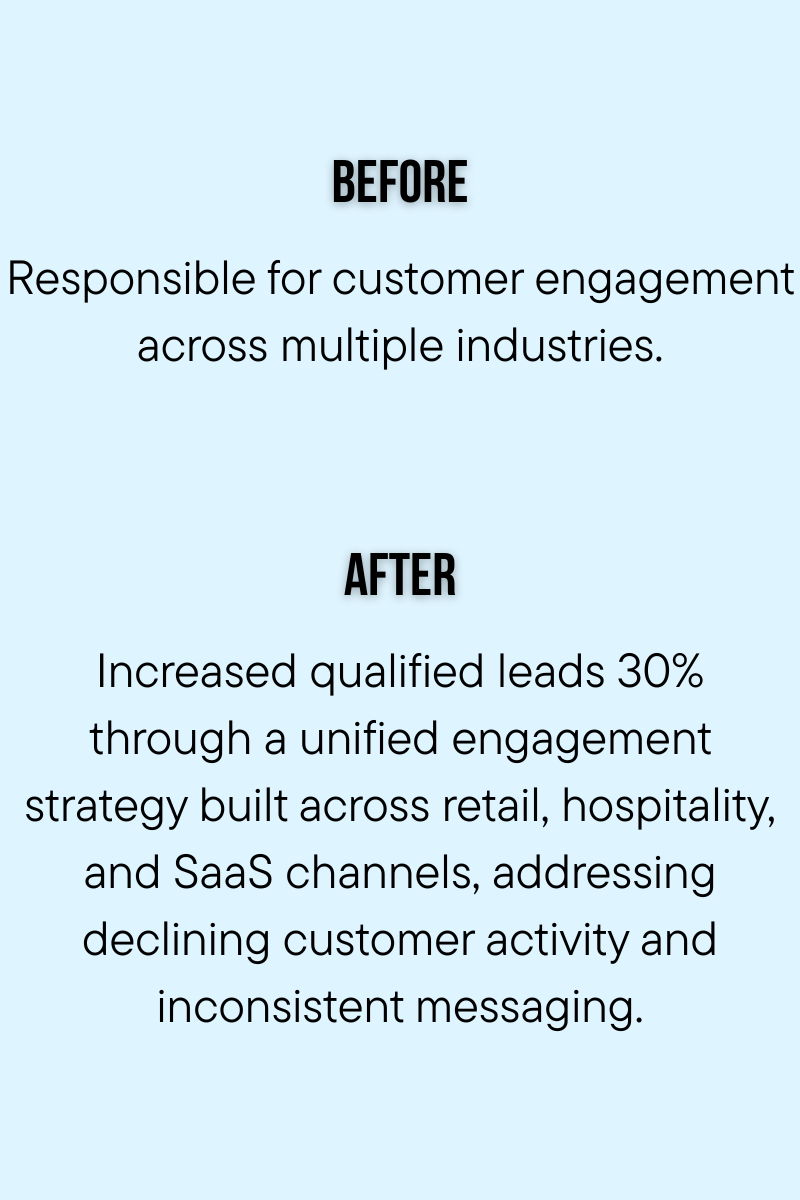
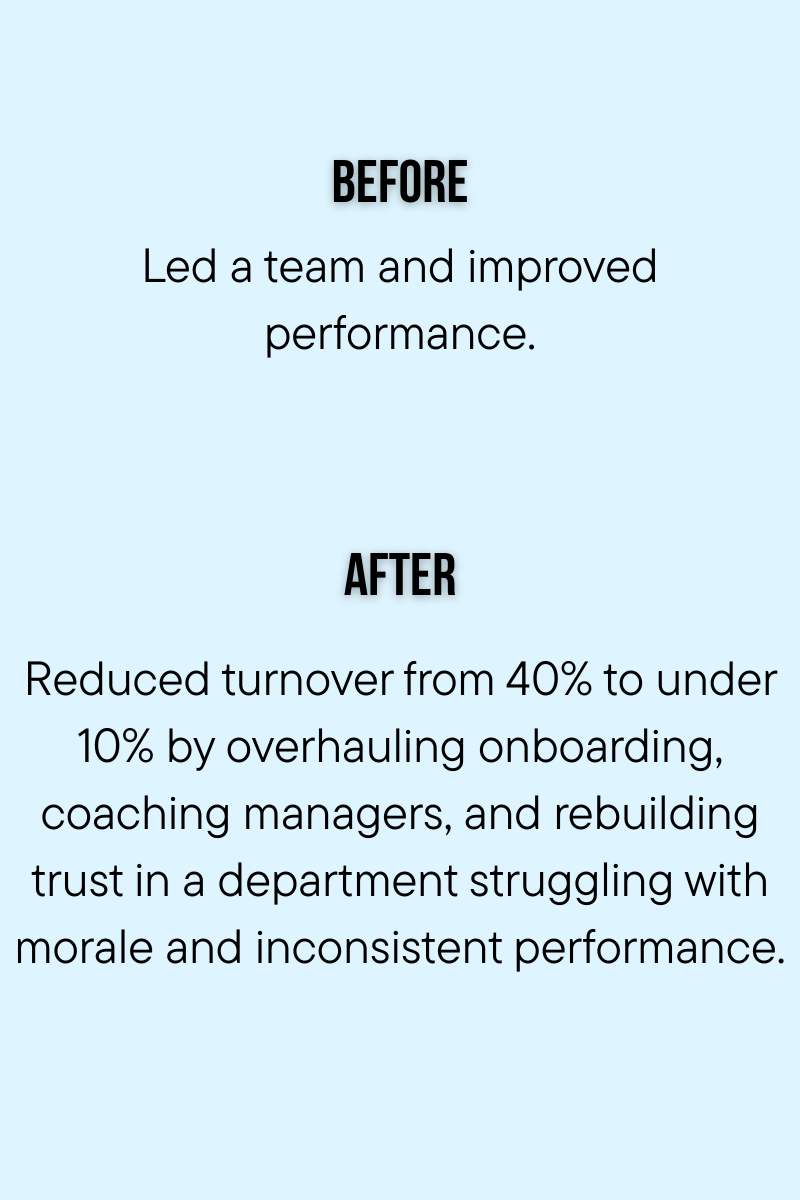
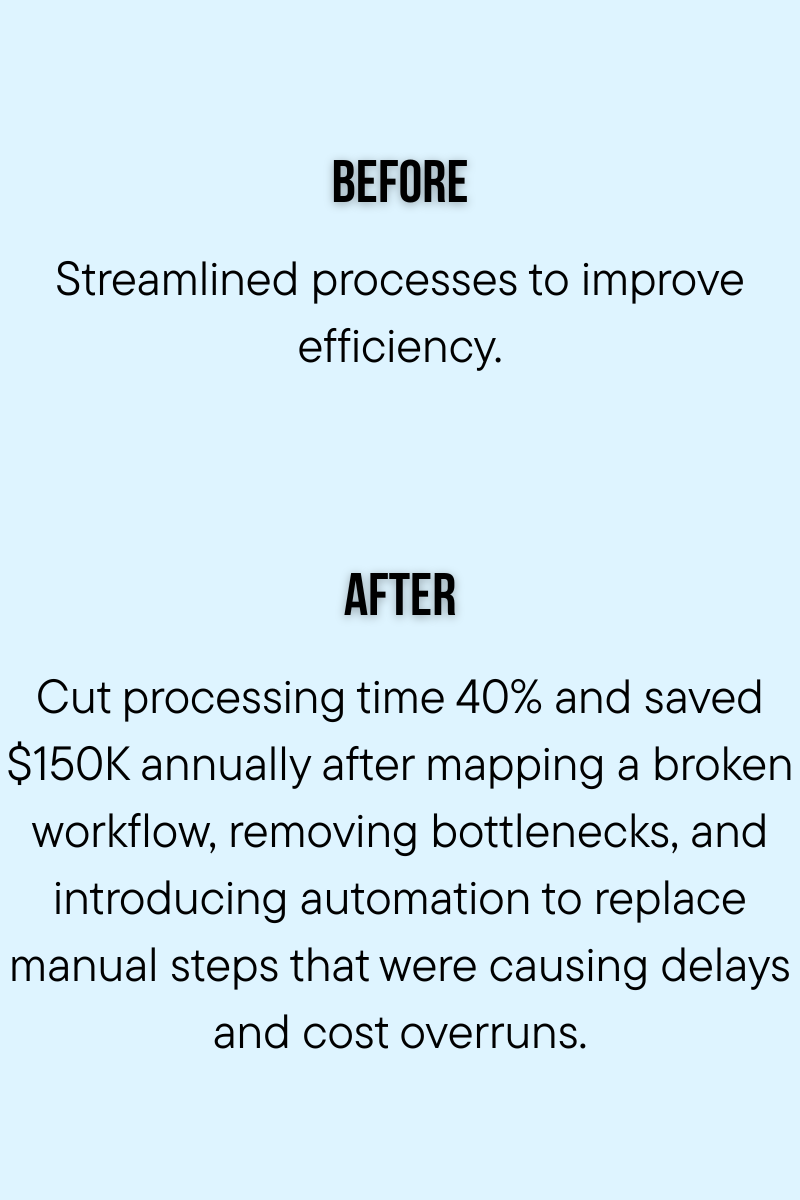
When you put these three elements together — the crisis, the action, and the outcome — you create a career story that is specific, grounded, and aligned to the job you want. It’s not fluff. It’s not filler. It’s not the vague, recycled content that shows up on half the resumes out there. It’s a narrative that explains how you work, what you deliver, and why you’re worth hiring.
And that’s exactly what modern resume writing and LinkedIn optimization are supposed to do.
If You Want Help Telling Your Story, That’s What I Do
Most people are too close to their own experience to see the story in it. That is completely normal. You lived it, which means you’re used to it.
My job as a professional resume writer is to pull out the parts you’ve stopped noticing, connect the dots you didn’t realize were connected, and turn your career into a narrative that actually reflects your value on your resume, your LinkedIn profile, and in front of hiring managers. If you’re ready for a resume, LinkedIn profile, or career story that finally sounds like you and gets the kind of attention your work deserves, I’m here when you’re ready.